Waterproofing a bathroom is no longer optional in 2025—it is an essential step for both homeowners and professional installers. Bathrooms are the most moisture-exposed spaces in any home, and without proper protection, water can penetrate walls and floors, causing serious structural issues, mold growth, and expensive repairs. Modern construction trends in the United States also show that homeowners are demanding longer-lasting and more reliable waterproofing solutions, while contractors are looking for methods that save time without compromising quality.
This guide explores the best ways to waterproof bathrooms in 2025, compares the most common methods used across the US, and provides practical insights for both installers and private homeowners.
Why Waterproofing Bathrooms Matters in 2025
Moisture is relentless. A small leak around a shower drain, poorly sealed grout, or a thin waterproof coating can become a long-term problem. In many cases, the damage is invisible until it spreads, weakening wooden substructures, corroding metal, or creating black mold inside walls. For homeowners, this can mean health hazards and unexpected renovation bills. For contractors, poor waterproofing can damage reputation and lead to warranty claims.
Waterproofing protects against:
– Structural damage by preventing water penetration into concrete, drywall, or wood.
– Mold and mildew, which thrive in damp, unprotected areas.
– Tile and grout failures, often the first visible signs of inadequate waterproofing.
– Decreased property value, as buyers now look for durable waterproofing systems as part of a quality bathroom.
In 2025, building codes in many US states are stricter than ever, requiring certified waterproofing systems in showers and wet rooms. This means that choosing the right method is not just about cost—it’s about compliance, durability, and peace of mind.
Most Common Bathroom Waterproofing Methods in the US
Several methods are commonly used in the US today, each with unique strengths and weaknesses.
Liquid waterproofing membranes are popular among DIY enthusiasts because they are easy to roll or brush onto surfaces. They adapt to irregular shapes but depend heavily on the installer’s skill to maintain a consistent thickness. On average, they last between 8 and 12 years before requiring attention.
Cementitious coatings remain widely available and simple to apply, often in basements and utility areas. These coatings provide basic protection but lack flexibility, making them prone to cracking if the building shifts. Their lifespan is around 10 to 15 years with regular maintenance.
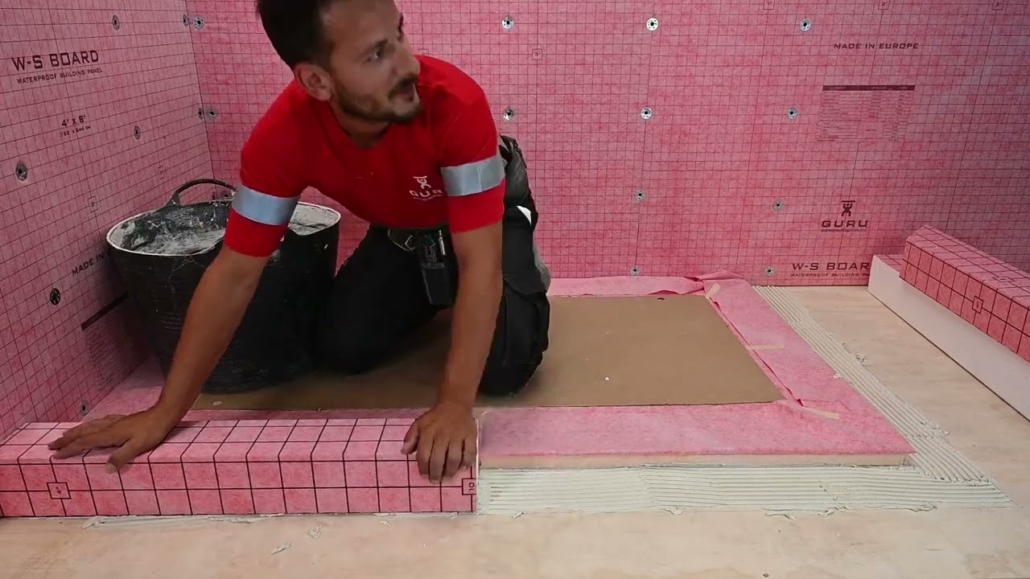
Foam boards and panels combine structural support with waterproofing. They are lightweight, fast to install, and particularly useful for customized shower systems. However, their higher cost per square foot makes them less accessible for budget projects, and they generally last 15 to 20 years.
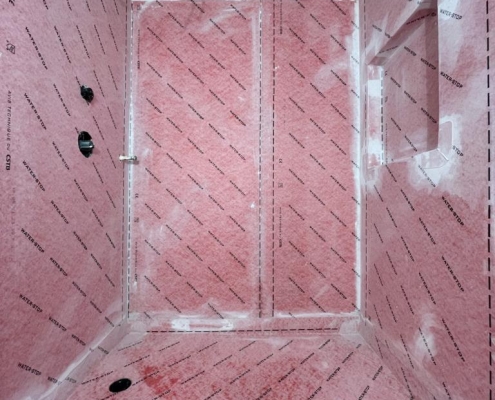
Waterproofing membranes are increasingly recognized as the most balanced option in 2025. Installed in rolls using thin-set mortar, these membranes guarantee consistent thickness, excellent flexibility, and strong water resistance. With an average durability of 25 to 30 years and minimal maintenance, they are considered by many professionals to be the most reliable method for bathrooms, showers, and even pools.
Comparative Table of Bathroom Waterproofing Methods in 2025:
| Method | Durability (Years) | Installation Time | Cost Level | Flexibility | Maintenance | Typical Use |
| Waterproofing Membranes | 25–30+ | 1–2 days | $$ | High | Very Low | Showers, bathrooms, floors |
| Liquid Membranes | 8–12 | 1 day | $ | Very High | Medium | DIY projects, small bathrooms |
| Cementitious Coatings | 10–15 | 2–3 days | $ | Low | High | Basements, utility rooms |
| Foam Boards / Panels | 15–20 | 1 day | $$$ | Medium | Low | Custom showers, fast remodels |
How to Waterproof a Bathroom with a Waterproofing Membrane
Among the bathroom waterproofing methods available in 2025, waterproofing membranes are considered one of the most durable and consistent solutions. One commonly used option in the US is the Water-Stop waterproofing membrane, designed for floors and walls in wet areas. The installation process follows several key steps:
1. Surface preparation: The substrate (concrete, cement board, or similar) must be clean, level, and free of dust or grease. Any cracks or gaps should be repaired before installation.
- Applying thin-set mortar: A layer of mortar is spread with a notched trowel to ensure uniform adhesion.
- Laying the membrane: The waterproofing membrane is rolled out carefully over the mortar, pressed into place to remove air pockets and guarantee full contact.
- Sealing seams, overlaps, and corners: To achieve a watertight finish, use sealing bands, prefabricated corners, and reinforcements for pipe penetrations. These details should be bonded with Easeal waterproofing cement, which ensures long-lasting adhesion and extra protection in vulnerable areas.
- Integrating the drain: A compatible drain system is connected to the membrane, ensuring complete watertightness around this critical point.
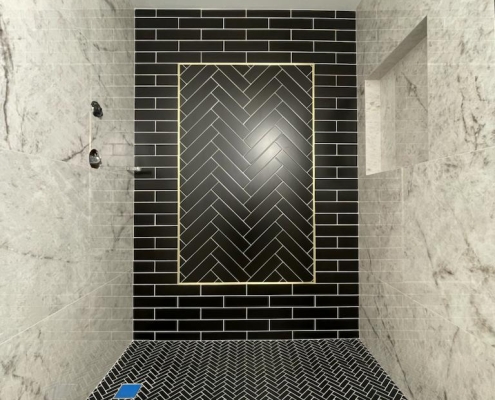
- Tile installation: Once the membrane and accessories are secured and sealed, tiles can be installed directly on top using thin-set mortar.This method creates a continuous waterproof barrier under the entire tiled surface. Compared to liquid coatings or cementitious layers, waterproofing membranes combined with Easeal cement for seams and reinforcements significantly reduce the risk of weak spots, making them highly recommended for showers, full bathrooms, and other high-moisture areas.
Practical Guidance and FAQs
Q: What is the best way to waterproof a bathroom floor in 2025?
A: The most reliable option is installing a waterproofing membrane under the tile. Unlike liquid coatings, membranes guarantee consistent protection across the entire floor, preventing leaks around drains and corners. This method is recommended by contractors for both showers and full bathrooms.
Q: How do I prevent bathroom leaks during a remodel?
A: Leak prevention comes down to choosing a proven bathroom waterproofing system. Use compatible accessories like sealing bands, prefabricated corners, and integrated shower drains. Avoid mixing systems, as incompatibility can weaken protection. Proper ventilation also reduces condensation issues.
Q: Which bathroom waterproofing method lasts the longest?
A: In 2025, waterproofing membranes last the longest—typically 25 to 30 years—while foam boards average 15 to 20 years, cementitious coatings 10 to 15, and liquid membranes about 10. Durability is a key factor for installers who guarantee their work.
Q: Are liquid membranes still a good option for bathrooms?
A: Yes, but mainly for small bathrooms or DIY projects where cost is the main concern. They are flexible but require skill to apply evenly. For high-traffic bathrooms, contractors recommend more durable methods.
Q: Can I combine waterproofing methods?
A: Sometimes. For example, foam boards can be used alongside waterproofing membranes for faster installations. However, mixing liquid membranes with sheet systems is not advised unless approved by manufacturers, as it can compromise performance.
Q: How much does bathroom waterproofing cost in the US?
A: Costs vary depending on the method: liquid membranes are the cheapest (around $1–2 per sq. ft.), cementitious coatings are similar, waterproofing membranes fall in the mid-range ($3–5 per sq. ft.), and foam boards are the most expensive ($6–10 per sq. ft.). While upfront costs differ, long-term maintenance should be considered when choosing the system.